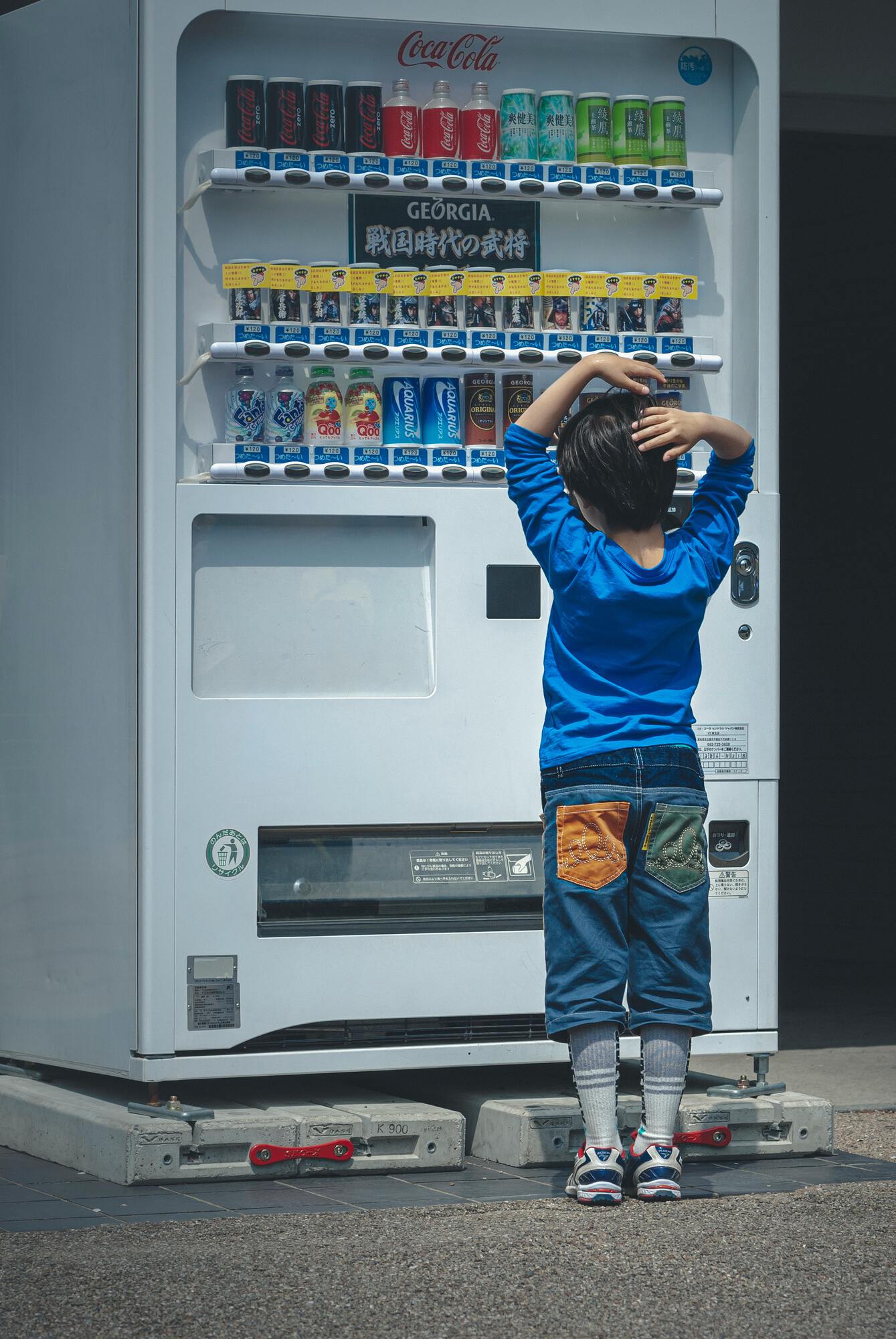
In 2000, two psychologists carried out an experiment at an upscale food market. On one day, shoppers were shown a gourmet jam stall with 24 different flavors. On another day, they were shown only six different flavors.
While the stand with 24 flavors received the most attention and footfall, these people were actually only 10 percent as likely to buy something as the shoppers who came across the six-flavor stand.
“Psychologists and business academics alike have largely ignored the outcome of choice: more of it requires increased time and effort and can lead to anxiety, regret, excessively high expectations, and self-blame if the choices don’t work out,” explains Barry Schwartz, author of The Paradox of Choice: Why More Is Less.
Giving people too much choice increases the weight of their decision and how it mentally affects them. This is particularly strong in B2B selling where the stakes (and price tags) are much higher. Sometimes, in the rush to fulfill the needs of the buyer, you can overwhelm them with too much information and too many choices.
According to a survey on the best ways to create a positive sales experience, some of the top choices from buyers were for the salesperson to “listen to their needs” (7 in 10) and “provide relevant information” (6 in 10). Limit information to what they specifically need to know and offer a smaller range of tailored options.